



Realistic
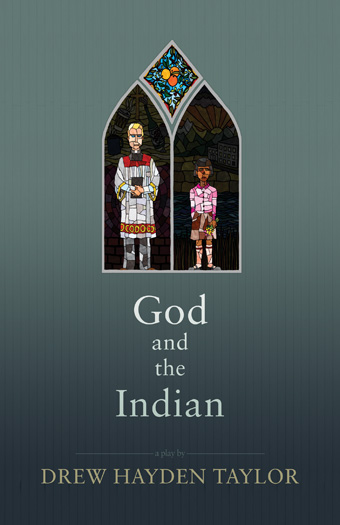
God and the Indian
A Cree woman, residential school survivor, confronts an Anglican assistant bishop over abuse that took place at a residential school 30 years earlier and attempts to settle old scores.
Verbatim texts taken from interviews with former slaves made between 1936 and 1938 as part of the Federal Writers' Project: true testimonies that chronicle American slavery. A strong selection of story-telling, high stakes monologues
-
-
-
2017, Pulley and Buttonhole Theatre, Philadelphia, PA
2015
Dramatist's Play Service
978-0822232902
NOTE FROM READER: play for voices - chorus and individuals, lots of music; casting flexible - can be performed with 6 - 12 players plus musicians: percussionist and fiddler
NOTE FROM READER: play for voices - chorus and individuals, lots of music; casting flexible - can be performed with 6 - 12 players plus musicians: percussionist and fiddler
Realistic
A Cree woman, residential school survivor, confronts an Anglican assistant bishop over abuse that took place at a residential school 30 years earlier and attempts to settle old scores.
“Girl Who Loved Her Horses” is the Native name for the strange and quiet Danielle from the non-status community across the tracks, imbued with the mysterious power to draw the horse “every human being on the planet wanted but could never have.” She is and remains an enigma to the people of the reservation, but the power of her spirit remains strong. Years later, a huge image of her horse reappears, covering an entire side of a building in a blighted urban landscape of beggars and broken dreams. The eyes of her stallion, which once gleamed exhilaration and freedom, now glare with defiance and anger. Danielle has clearly been forced to grow up.