



Jesus Chrysler
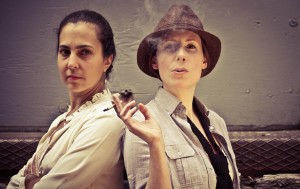
a one-act play inspired by the relationship of Eugenia Watts to political theatre, sexuality, and Dorothy Livesay.
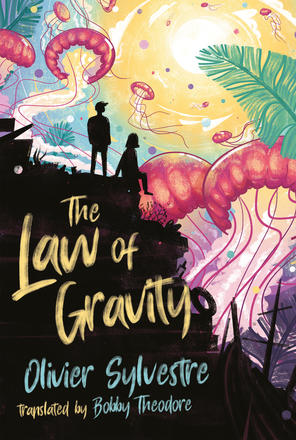
Dom has had a rough go of things so far. At fourteen, he has the hardened look of someone who’s had to fight for everything. Fred has just moved to Not-The-City, a new place to try to disappear. But he didn’t expect to actually make friends. He just hopes he’s accepted for how he looks. When Dom and Fred meet on a hill overlooking a bridge that connects Not-The-City to The City, a place where anyone can be anything they want, the two find a refuge in one another and make a pact: they’ll cross the bridge at the end of the school year. They’ll be free. What could happen by then? Who will they be? And will the bridge even let them cross? The young characters are on a journey of self-discovery, feeling out their gender identity and how they want to present themselves to the world - while living in a world they find limiting, and dreaming of moving elsewhere.
-
contains monologues
contains strong scenes
2017, Youtheatre, Montreal (French language premiere)
2021
Playwrights Canada Press
9780369101693
The play was written in French by Olivier Sylvestre, titled La loi de la gravité. It was translated into English by Bobby Theodore.
The play was written in French by Olivier Sylvestre, titled La loi de la gravité. It was translated into English by Bobby Theodore.
a one-act play inspired by the relationship of Eugenia Watts to political theatre, sexuality, and Dorothy Livesay.
Solo Show
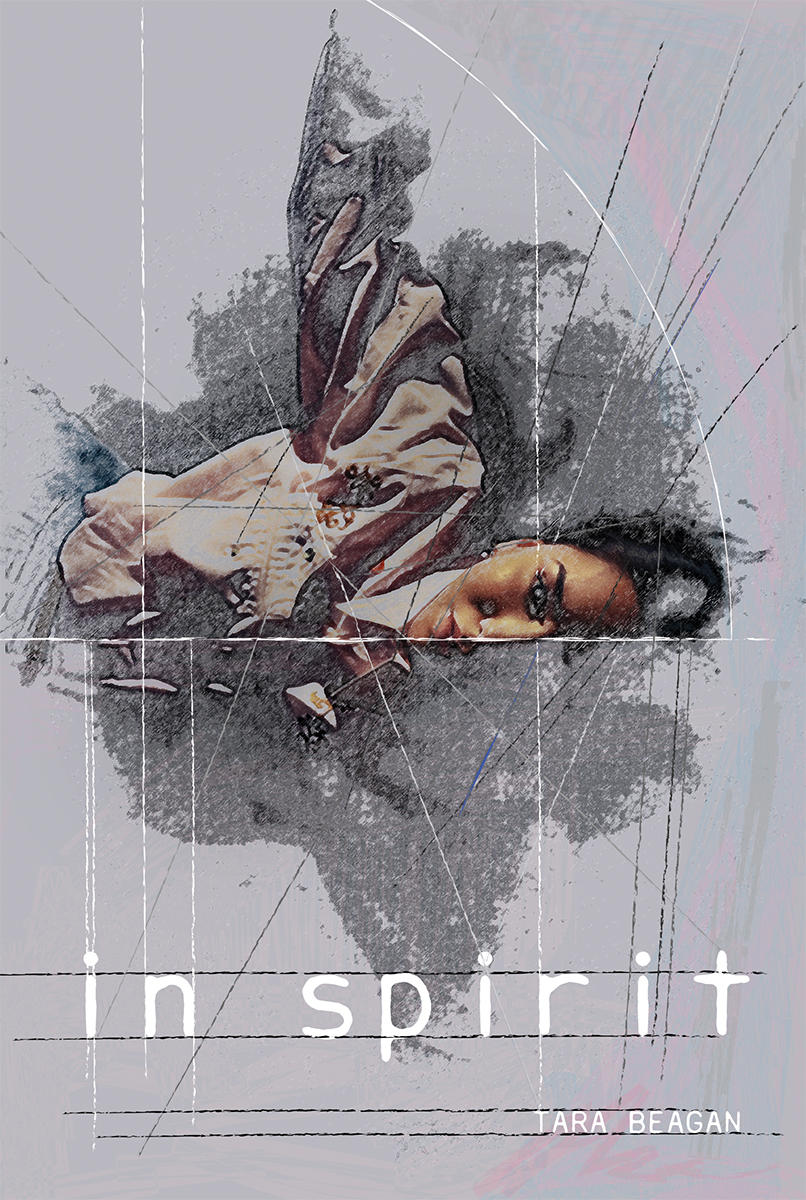
Twelve-year-old Molly was riding her new bicycle on a deserted road when a man in a truck pulled up next to her, saying he was lost. He asked if she could get in and help him back to the highway, and said he could bring her back to her bike after. Molly declined, out of interest for her own safety. The next things Molly remembers are dirt, branches, trees, pain, and darkness. Molly is now a spirit. Mustering up some courage, she pieces together her short life for herself and her family while she reassembles her bicycle—the same one that was found thrown into the trees on the side of the road. Juxtaposed with flashes of news, sounds, and videos, Molly’s chilling tale becomes more and more vivid, challenging humanity not to forget her presence and importance.